Open technical standards, criteria and methods, with sourced numbers.
Standards · File 25 · 9 min

A modular hotel or hospital wing gets no discount on occupancy code. What actually changes for commercial modular — and a hotel project that was marketed as a record before a single module was ever placed.
citizenM Bowery: 19 stories, completed 2019 · AC Hotel NoMad: 26 stories planned, never built · Istanbul field hospitals: 1,008 beds each, 52-day build
Kaan Vaizoglu
Standards · File 24 · 9 min
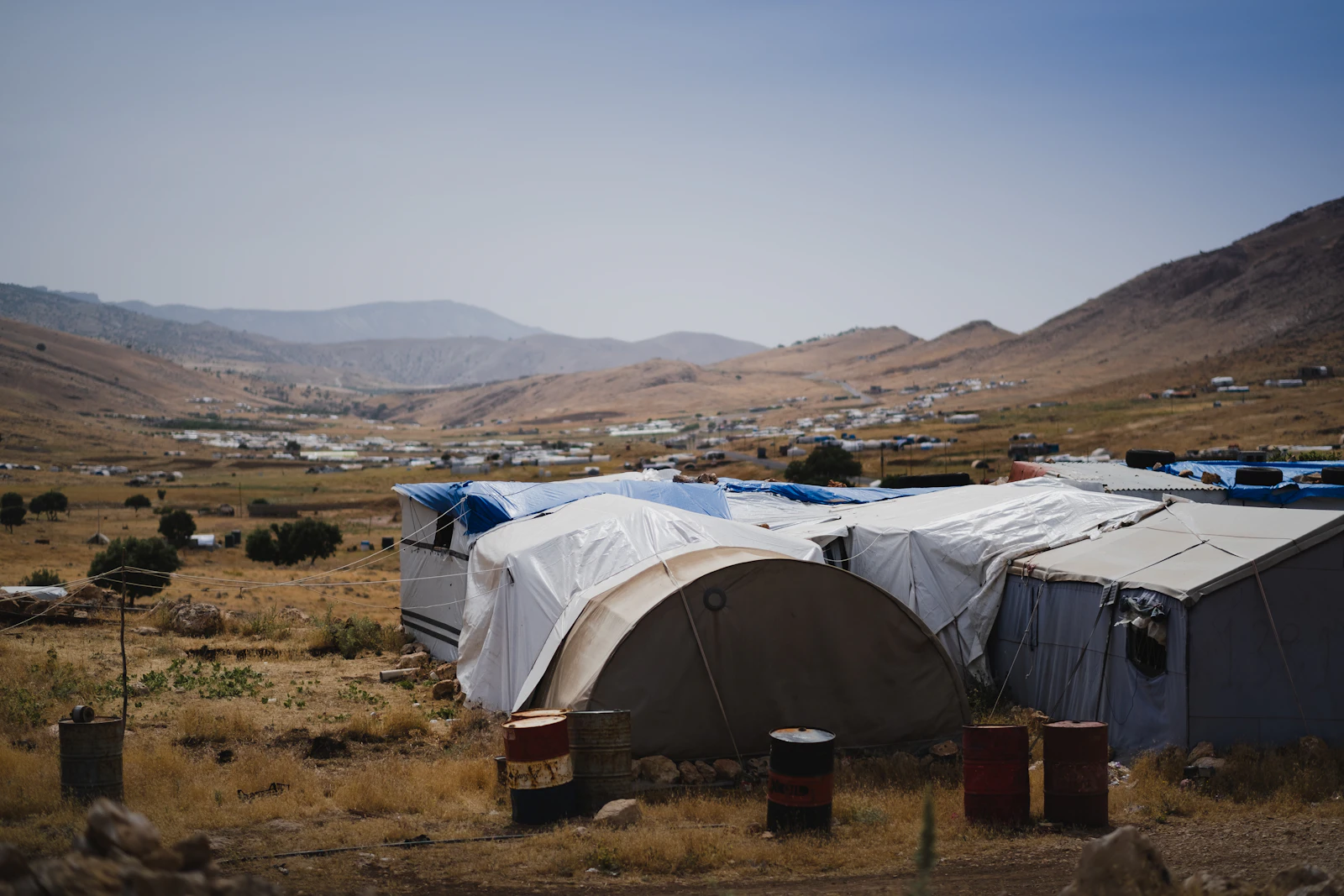
"Post-disaster shelter" covers emergency, transitional and durable housing — three timeframes governed mostly by a voluntary minimum-standards handbook rather than any binding structural code. An award-winning modular design saw two-thirds of its purchased fleet mothballed after real fire-safety concerns, and Türkiye's own post-2023 earthquake data shows what "transitional" tends to mean in practice: a multi-year reality for a shrinking but still substantial population.
Sphere minimum: 3.5m²/person (warm) · 4.5-5.5m²/person (cold) · 45m²/30m² usable site area · Better Shelter: 15,000 purchased, 5,000 deployed, ~10,000 mothballed (~$12.5M) · Türkiye container population: 649,632 (Feb 2025) → 150,000+ (Feb 2026) · 455,357 permanent units completed (Dec 2025)
Kaan Vaizoglu
Standards · File 23 · 9 min

"Smart glass" covers two technologies that solve different problems: slow, gradual electrochromic solar-control glazing governed by real durability and energy-code standards, and fast, binary PDLC/SPD privacy glass that was never trying to manage solar heat at all. A DOE report's real GSA-building measurements swing far more widely than any single simulated percentage, and Türkiye's domestic "akıllı cam" market turns out to be almost entirely the other technology.
Switching time: legacy EC 5-12 min · next-gen (Halio, ~10x faster per DOE) ~0.5-1.2 min · PDLC/SPD: seconds · Measured savings: Forrestal 39-48%, Portland 36% (lighting), Sacramento 29-65% (HVAC) vs. Seoul simulation 8.89% net · IECC/IRC dynamic glazing SHGC ratio: ≥2.4:1 · EC cost: $50-150/ft² vs. $15-30/ft² conventional
Kaan Vaizoglu
Standards · File 22 · 10 min

"Low-carbon concrete" describes two very different strategies wearing one label: reducing clinker content within an otherwise ordinary cement — a path with real standards behind it — and replacing clinker entirely with an alkali-activated geopolymer binder, which performs well in testing but still lacks a dedicated structural design code. A peer-reviewed dataset shows geopolymer's own carbon footprint swinging sixfold depending on activator recipe, and Türkiye's clinker ratio sits at 0.94 even as the country remains one of the world's largest cement exporters.
EN 197-1 CEM I: 95-100% clinker · LC3-50: 50% clinker, up to 40% CO2 reduction (RMI) · Almonayea et al. 2025: geopolymer concrete 41-261 kgCO2eq/m³ across 580 mixes, activator type the dominant variable · Türkiye clinker/cement ratio: 0.94 (2022) → target 0.70/0.60 by 2053 · Türkiye: 5th-highest industrial-process CO2 emitter (44.2 Mt, 2021) yet world's largest cement exporter by volume in 2022 (16.9% share)
Kaan Vaizoglu
Standards · File 21 · 10 min

New Zealand's NZS 4297/4298/4299 is the closest thing rammed earth has to a global structural code — the one ASTM's own US guide explicitly defers to. A peer-reviewed dataset shows compressive strength swinging eightfold within one test program, a shake-table study shows engineered seismic detailing nearly doubling a wall's collapse threshold, and Türkiye's decades-old TS 2515 covers kerpiç masonry but leaves rammed earth's distinct monolithic technique without a dedicated code path.
NZS 4298 standard-grade minimum: 1.3 MPa compressive / 0.25 MPa flexural tensile · Narloch & Rosicki 2026: compressive strength 3.62–29.06 MPa (mean 13.42) across 30 specimens · Barrera et al. 2023: unreinforced collapse at 0.76g PGA vs. steel-plate-reinforced survived 1.02g (+92%) · New Mexico code: min. 300 psi (≈2.1 MPa), min. 18 in (≈457 mm) wall · Nouri et al. 2023: rammed earth cut CO2 up to 1,245 kg/ton vs. fired brick (material-level, >95% embodied-energy reduction)
Kaan Vaizoglu
Standards · File 20 · 10 min
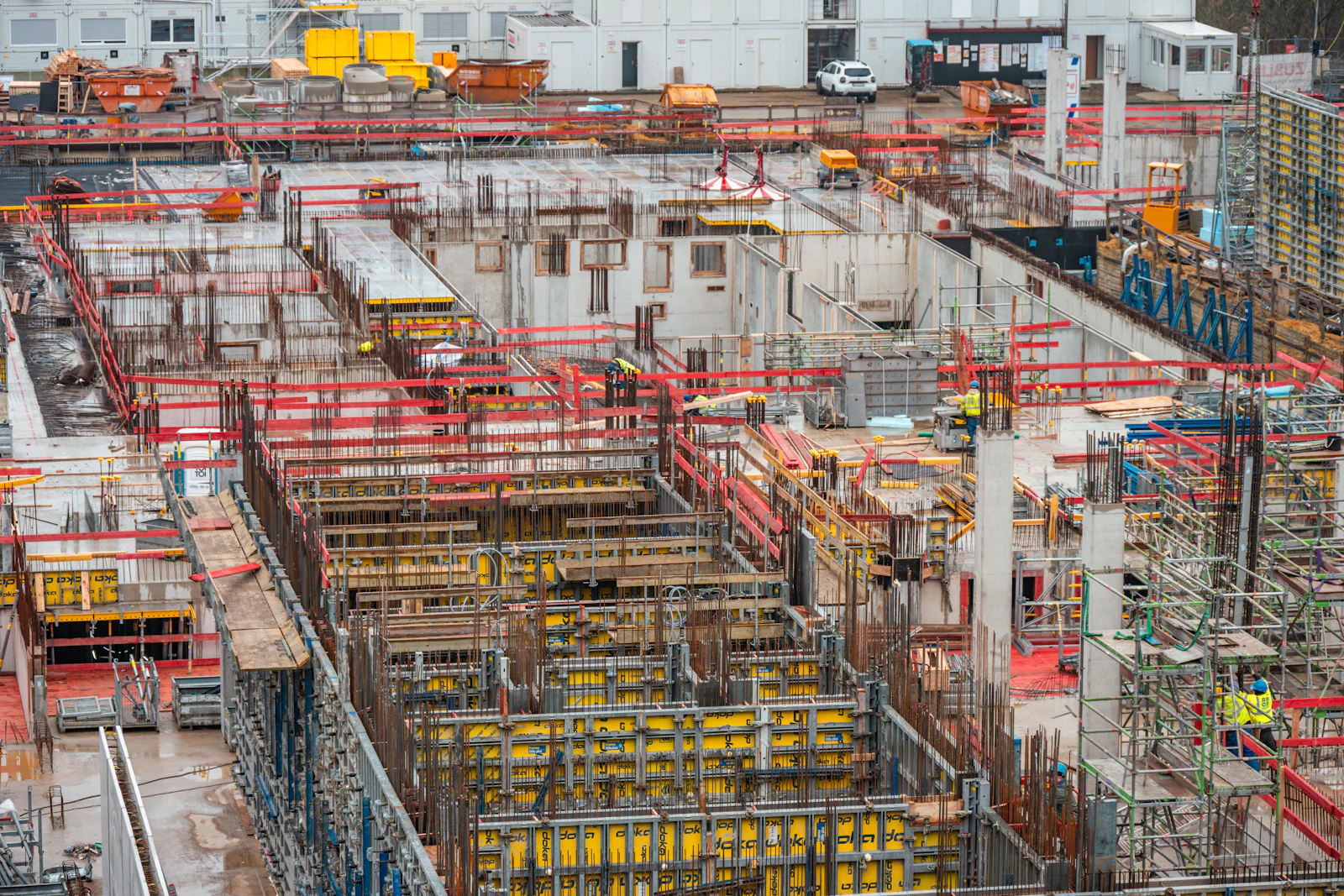
ISO 14040/44 and EN 15978 give building carbon claims a genuine, auditable methodology — but a contested optional module, a peer-reviewed case study where database choice alone moved results by up to 159%, and Türkiye's brand-new, not-yet-binding certificate requirement all show that "we ran an LCA" is the start of a question, not the end of one.
Keyhani et al. 2023: material-level embodied carbon varied 50–159% by database choice on the same UK house · whole-life split for that house: 67% operational / 31% embodied / 2% end-of-life over 50 years · Türkiye: Building Life Cycle Analysis Certificate mandatory ≥10,000 m² from 1 Jan 2027 (Official Gazette No. 33255, 16 May 2026) · RICS WLCA 2nd edition effective 1 July 2024
Kaan Vaizoglu
Standards · File 19 · 10 min

Terrapin's 14 Patterns and WELL's Biophilia II give biophilic design real, auditable thresholds — but the evidence behind it splits sharply between large self-reported survey gains and smaller, more rigorous physiological studies that sometimes find no significant effect at all on the measures that matter most.
Human Spaces 2015: +15% wellbeing, +15% creativity, +6% productivity (self-reported, n=7,600, 16 countries) · WELL Biophilia II: 25% site planting (70% tree canopy), 1% floor-area plants, 2% plant wall · You et al. 2023: self-reported stress −0.47 to −0.97 pts, but no significant physiological/cognitive change (n=30, underpowered) · Serra et al. 2025: HRV significantly higher with living wall (p=0.02), no significant cognitive difference (n=41)
Kaan Vaizoglu
Standards · File 18 · 10 min
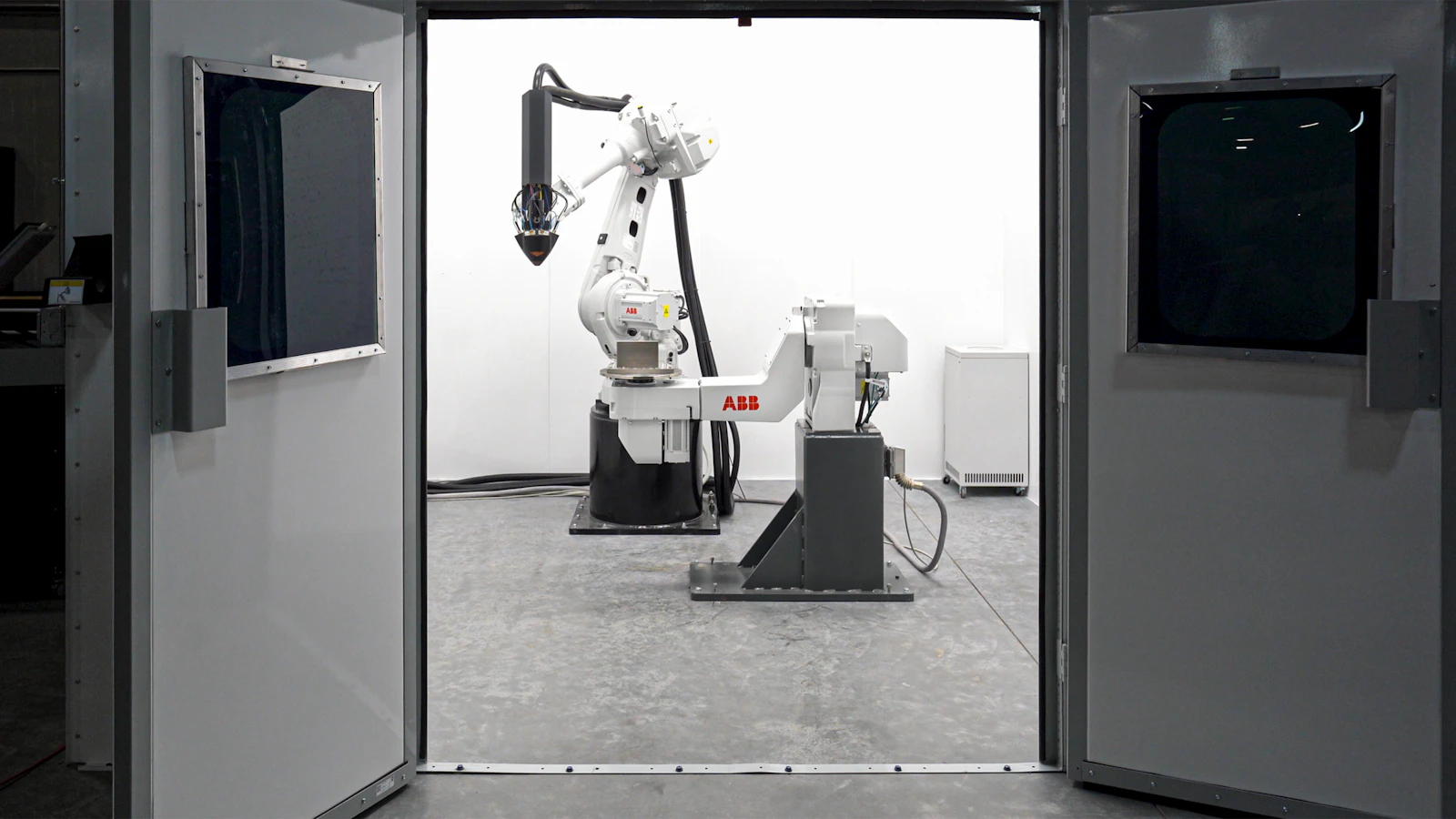
ICC-ES AC509 now accepts 3D-printed concrete walls up to four storeys and a peer-reviewed study measured 60% lower embodied carbon than conventional construction — but a marketed "two-week" build took two months once finishing work was counted, and seismic design methodology for high-risk zones like Türkiye is still being validated, not yet a finished code.
Embodied carbon: 3D-printed 58 kgCO2e/m² vs. conventional 147 kgCO2e/m² (foundations+walls, n=4 vs. n=10) · Material cost: −65% (Jordan study, excludes equipment/labor) · Apis Cor Dubai: marketed 2-week print vs. ~8-week (2-month) measured total · AC509: single-story → 4-story (2021 revision) · Türkiye draft regulation: C45 concrete class, review meeting 8 Jan. 2026
Kaan Vaizoglu
Standards · File 17 · 10 min
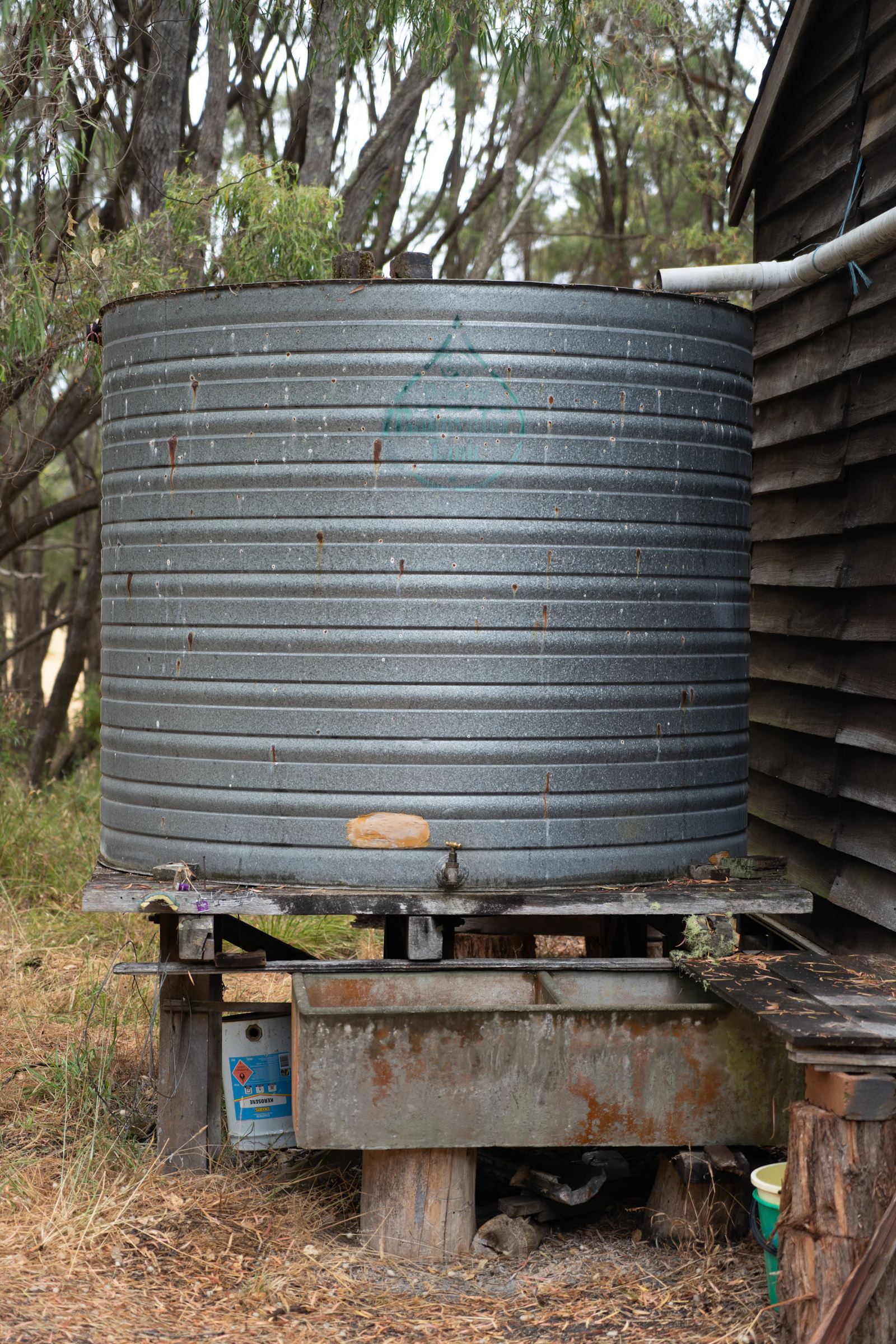
Rainwater tanks reach near-total reliability for toilet and laundry demand but stay under 85% for irrigation even at 100 m³ — and treated reuse water has to clear numeric NSF/ANSI 350 thresholds untreated catchment never has to meet. Türkiye's 2025 zoning amendment now makes both systems mandatory on qualifying buildings.
Rainwater reliability at 15 m³: toilet+laundry 99%, irrigation 64% (8-city average) · At 100 m³, irrigation reliability still below 85% · NSF/ANSI 350 Class C: turbidity ≤2 NTU avg, E. coli ≤2.2 MPN/100mL geomean · Türkiye Madde 57/A: rainwater storage ≥6% of annual collectible volume, greywater storage ≥50% of connected demand · Combined savings target ~10 million m³/year
Kaan Vaizoglu
Standards · File 16 · 10 min

Sheep wool, cellulose, wood fibre and hemp are real, standards-backed insulation materials — but independent lab data shows fire class, embodied carbon and moisture performance vary far more than the word "natural" suggests, and durability usually comes from an added borate treatment, not the fibre alone.
Thermal conductivity: glass wool 0.032 W/mK, wood fibre (declared) 0.038 W/mK, hemp (measured) 0.055–0.065 W/mK · Wood fibre fire class: E (EN 13501-1) vs. mineral wool A1/A2 · Embodied carbon range: cellulose 0.38–23.95, wood wool 10.40–111.60 kgCO2e/m² (R=2.5, 60yr) across 7 EU countries · TS 825:2024 took effect 1 April 2025, now covers heating and cooling
Kaan Vaizoglu
Standards · File 15 · 10 min
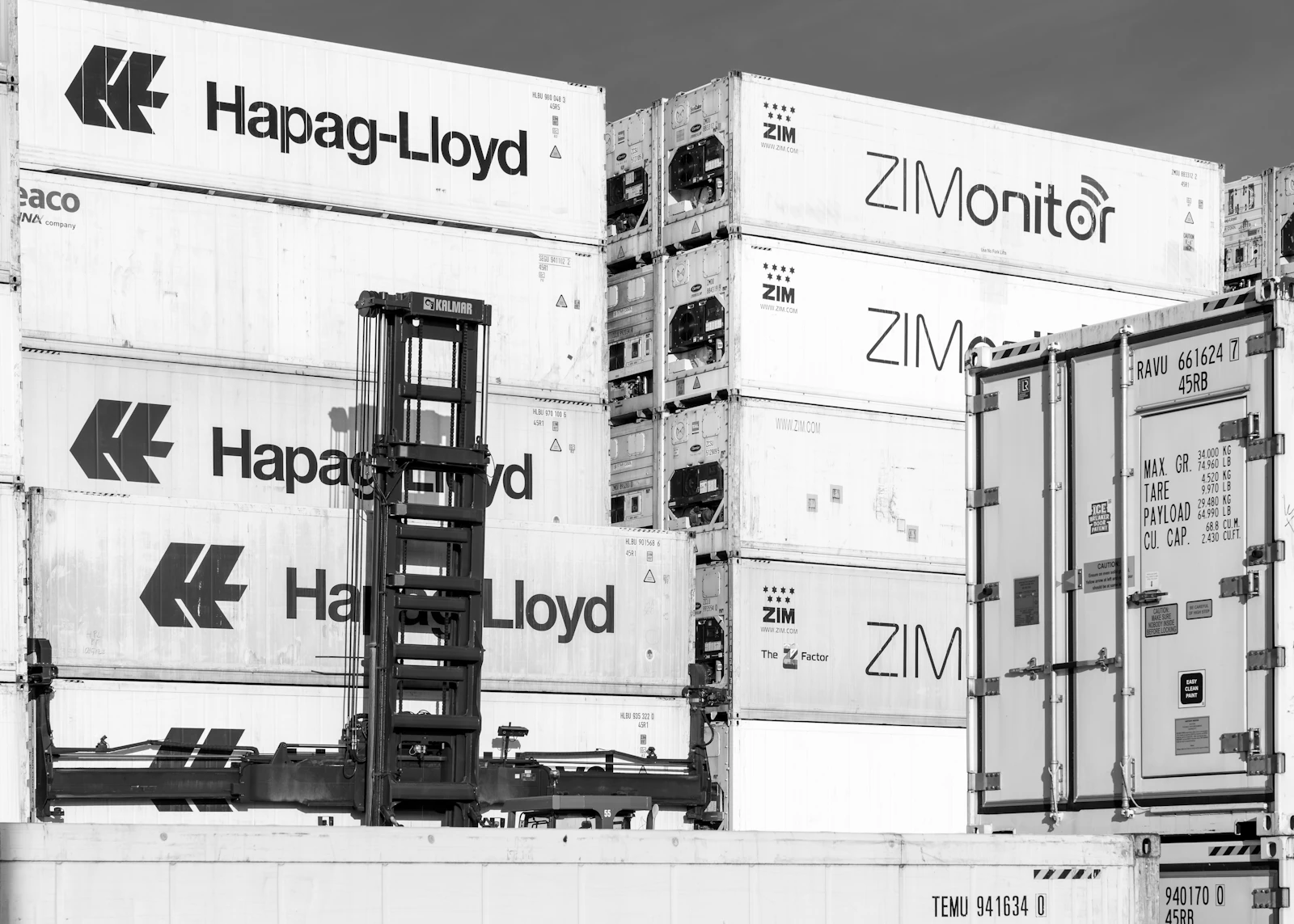
A shipping container is pre-engineered for nine-high ocean stacking, not architecture. Two independent national surveys found a measurable share of containers arrive with off-gassing chemicals above exposure limits, cutting openings changes the box's lateral capacity, and steel alone has no thermal advantage — what a real project like Zurich's Freitag tower shows is what deliberate engineering, not the material, actually delivers.
Corner-post load: ~116 kips (516 kN) per corner in a 9-high sea stack · Occupational exposure exceedance: Sweden 12% (n=249, 2017), NZ 25.7% AMV/TLV (n=490, 2022) · Container grade life: One-Trip 25–30yr, Cargo Worthy 15–20yr, WWT 10–15yr · Freitag Flagship Store: 19 containers, ~25m, in use since 2006
Kaan Vaizoglu
Standards · File 14 · 9 min
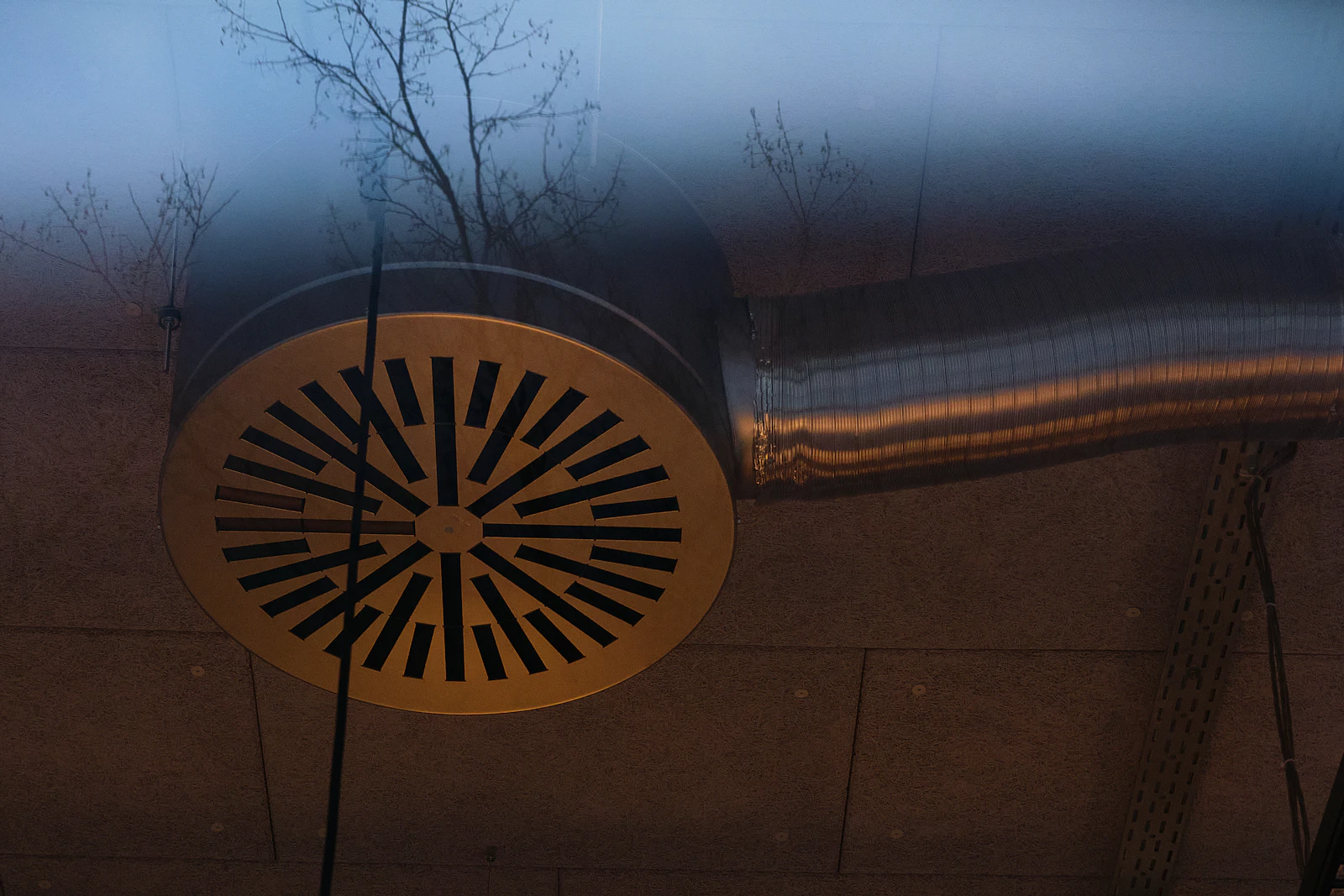
A certified heat-recovery efficiency figure is a lab result for the component alone. A UK meta-study of 85 monitored homes, a monitored heritage retrofit, and a filter-maintenance survey show where a specified system and a delivered one actually part ways — and what Türkiye's own voluntary standard requires that the national code doesn't.
PHI certified MVHR threshold: ≥75% heat recovery, ≤0.45 Wh/m³ SFP · UK meta-study (85 homes/29 projects, 2016): 56% met design airflow, only 16% correctly commissioned · Duct type: rigid 88% vs. flexible 40–44% design-airflow compliance · Heritage retrofit (2025): 0.74 thermal effectiveness, CO2 spikes to 900–1,000 ppm · UK filter maintenance: ~5% of users change filters annually
Kaan Vaizoglu
Standards · File 13 · 9 min
A net-zero claim can mean a metered annual balance or a design-stage model that was never checked again. The US and EU definitions, a database showing most declared projects are still unverified, and a Turkish public building that measured its own result instead of just modeling it.
Verified vs. emerging zero-energy buildings (NBI, North America): ~20% verified / ~80% design-only · Bullitt Center 10-yr: 2,475,021 kWh generated vs. 1,923,540 kWh consumed (29% surplus) · Türkiye NSEB: Class B + 10% renewable (post-2025) · IMM Fatih Sports Centre: 231.3→103.1 kWh/m²/yr, 48% GHG cut
Kaan Vaizoglu
Standards · File 12 · 9 min
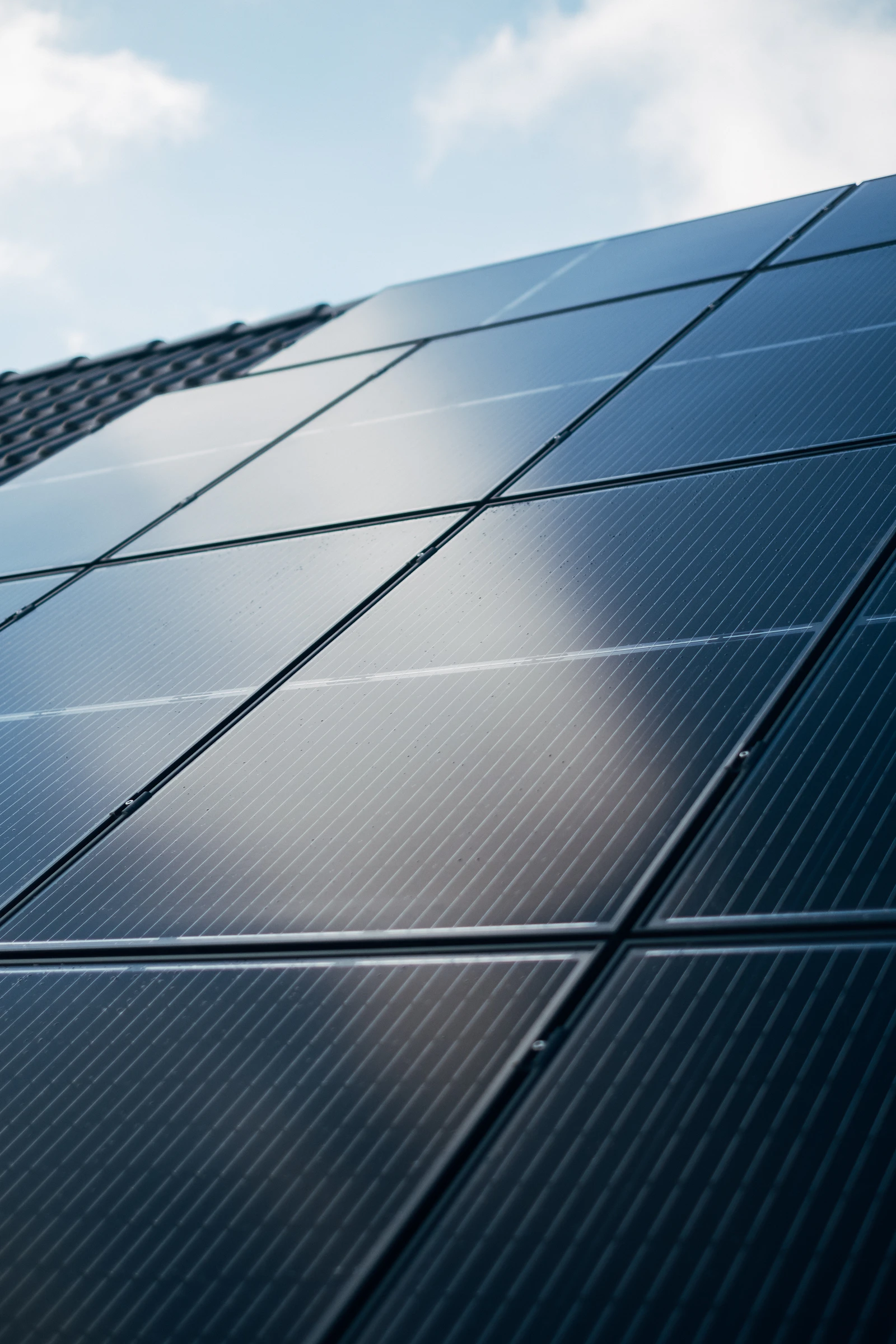
A BIPV module replaces a roof or facade component and has to pass every test that component would — a different, stricter bar than a rack-mounted panel. What well-engineered colour and pattern options actually cost in efficiency, and what a Turkish field study measured about orientation instead.
Colour/pattern efficiency retention: patterned glass 99.5% · Megasol Solarcolor Morpho 94% · Fraunhofer MorphoColor min. 90% · Şanlıurfa annual yield: roof 505.64 kWh vs. east facade 313.34 kWh (38% spread)
Kaan Vaizoglu
Standards · File 11 · 10 min

Hempcrete has a RILEM test standard, a peer-reviewed carbon model, and — since 2024 — a place in the US model residential code with a hard seismic limit. Mycelium composites have genuinely good fire performance and no validated rating at all. What the numbers actually say, and why Türkiye's brand-new hemp regulation legalises the feedstock without yet building the construction pathway.
Thermal conductivity: hempcrete 0.06–0.07 W/mK vs mycelium 0.03–0.06 W/mK · Carbon storage per 1m² wall: −15.95 kg CO2e (best mix) to +8.16 kg CO2e (worst mix) · IRC Appendix BL seismic limit: Design Categories A–C only
Kaan Vaizoglu
Standards · File 10 · 10 min
Steel's recyclability and its recycled content are two different, non-interchangeable claims. What the three production routes actually cost in carbon, why copper sets a hard ceiling on how much scrap high-grade steel can absorb, and why Türkiye's unusually EAF-heavy industry depends partly on being the world's largest scrap importer.
CO2 intensity by route: BF-BOF 2.2 vs DRI-EAF 1.4 vs Scrap-EAF 0.3 t CO2/t · Türkiye EAF share: 72.2% vs global 30.3% (2025) · Türkiye scrap imports: ~14 million tonnes, ~37% of global imports (Jan–Aug 2023)
Kaan Vaizoglu
Standards · File 09 · 9 min
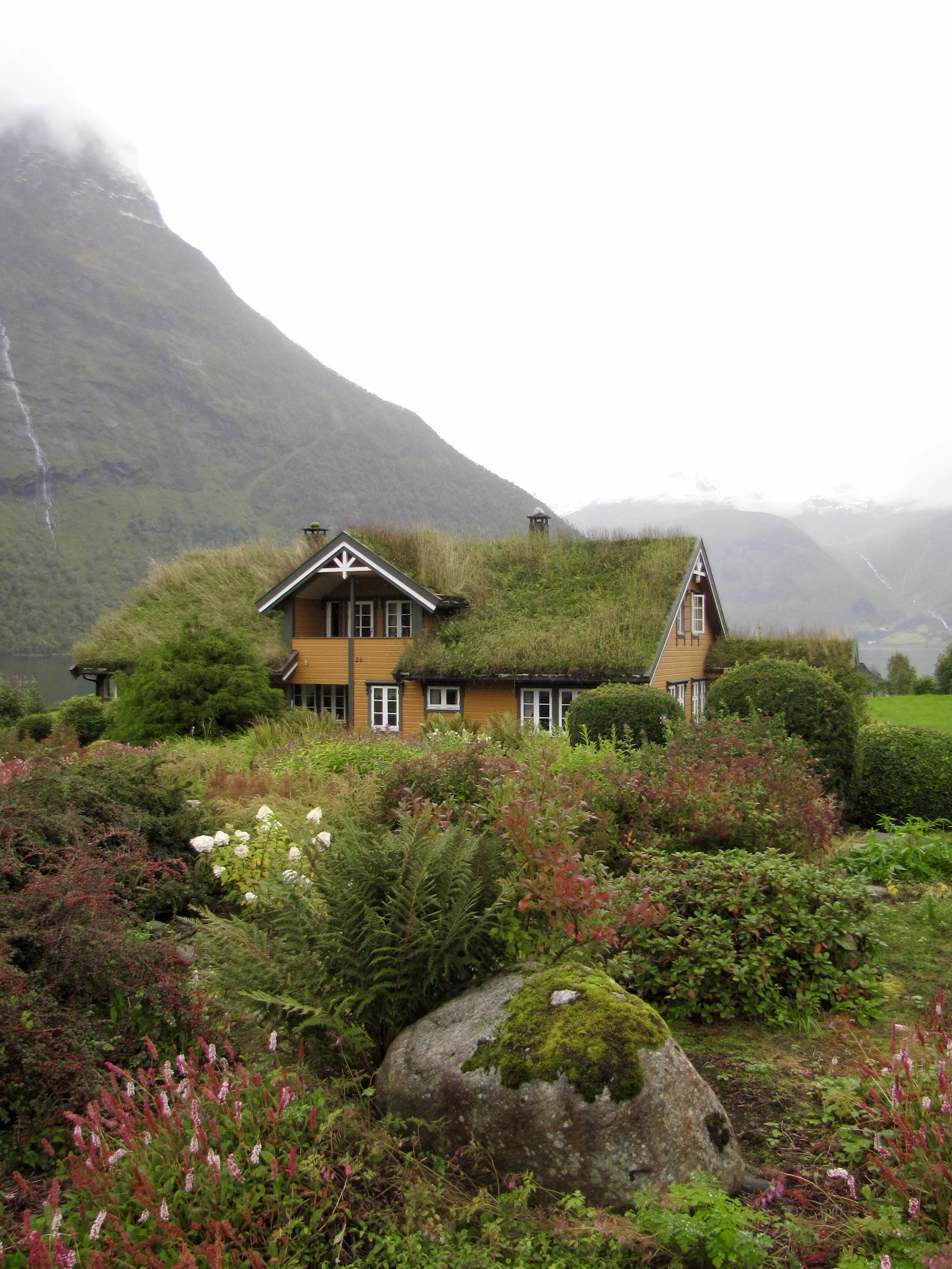
A green roof or living wall is not a landscaping finish — it is a load, a waterproofing detail and a maintenance contract with its own certification path. What FLL and ASTM E2397 actually require, what the stormwater and cooling numbers really say, and where Türkiye's zoning code permits a green roof without yet engineering one.
Saturated weight load: extensive 60-150 kg/m² vs intensive 180-500+ kg/m² · Global stormwater retention: 62% average per rainfall event (0-100% range across 1,948 samples)
Kaan Vaizoglu
Standards · File 08 · 9 min
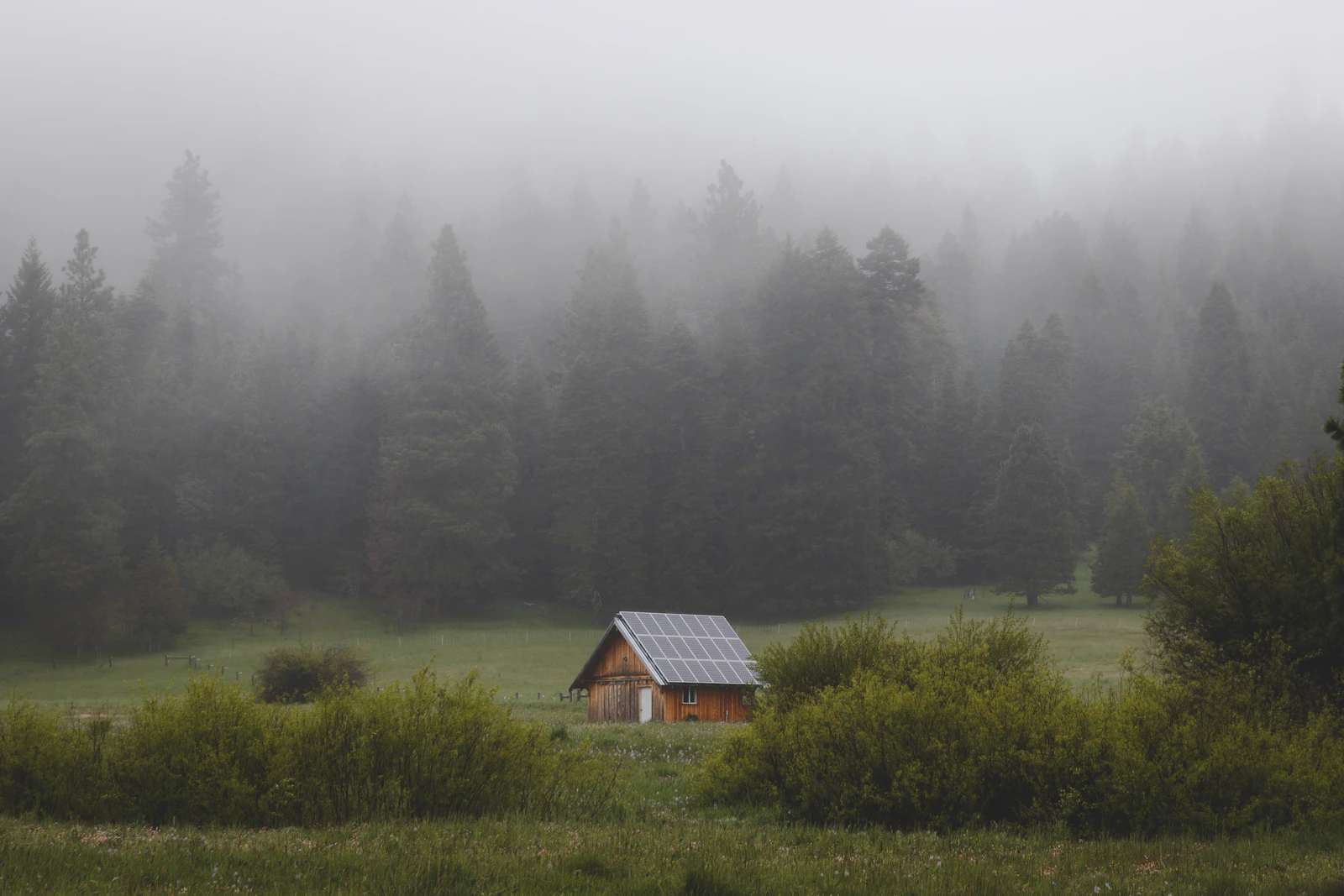
Going off-grid doesn't remove code requirements — it adds two more on top of the structural one. What NEC 690/706 and NSF/ANSI 41/350 actually require, how battery autonomy-day sizing works, and why "off-grid" in Türkiye is almost always a choice rather than a necessity.
Battery cycle life: lead-acid 300-500 cycles at 50% DoD vs LiFePO4 3,000-6,000 cycles at 80% DoD · Türkiye electricity access: 100% (2023) vs global average 92%
Kaan Vaizoglu
Standards · File 07 · 10 min
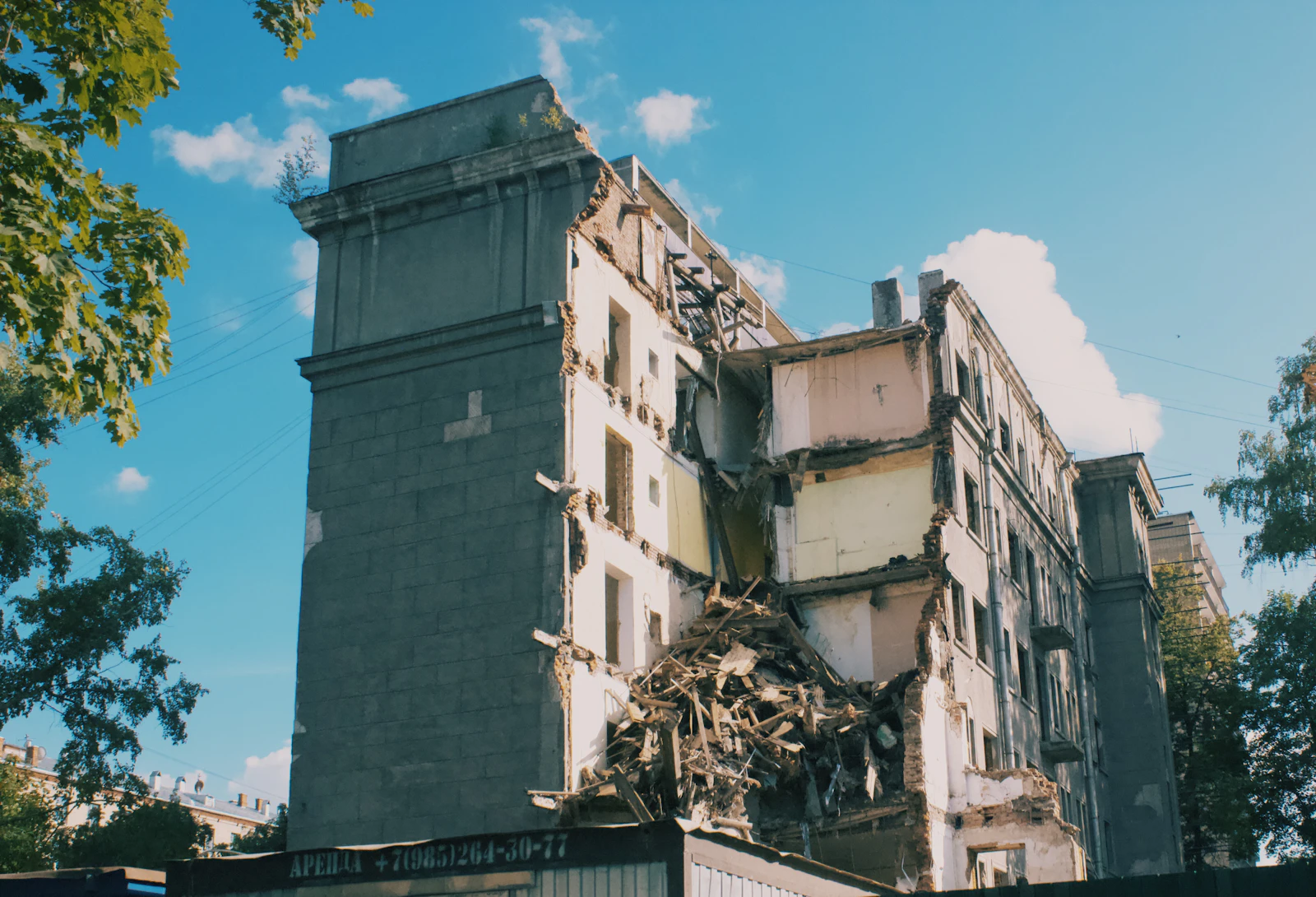
ISO 20887 sets out how to design a building so its parts can be taken apart and reused rather than demolished into rubble. What the Brummen Town Hall pilot actually proved, and why a country that just generated up to 210 million tons of earthquake debris has an unusually direct stake in the answer.
Best-performing national C&D recycling rates: Netherlands 90%, Australia 87%, Denmark 82% · Türkiye's 2023 earthquake debris: an estimated 116–210 million tons, over 10x the ~13 million tons of the 1999 Marmara earthquake
Kaan Vaizoglu
Standards · File 06 · 10 min
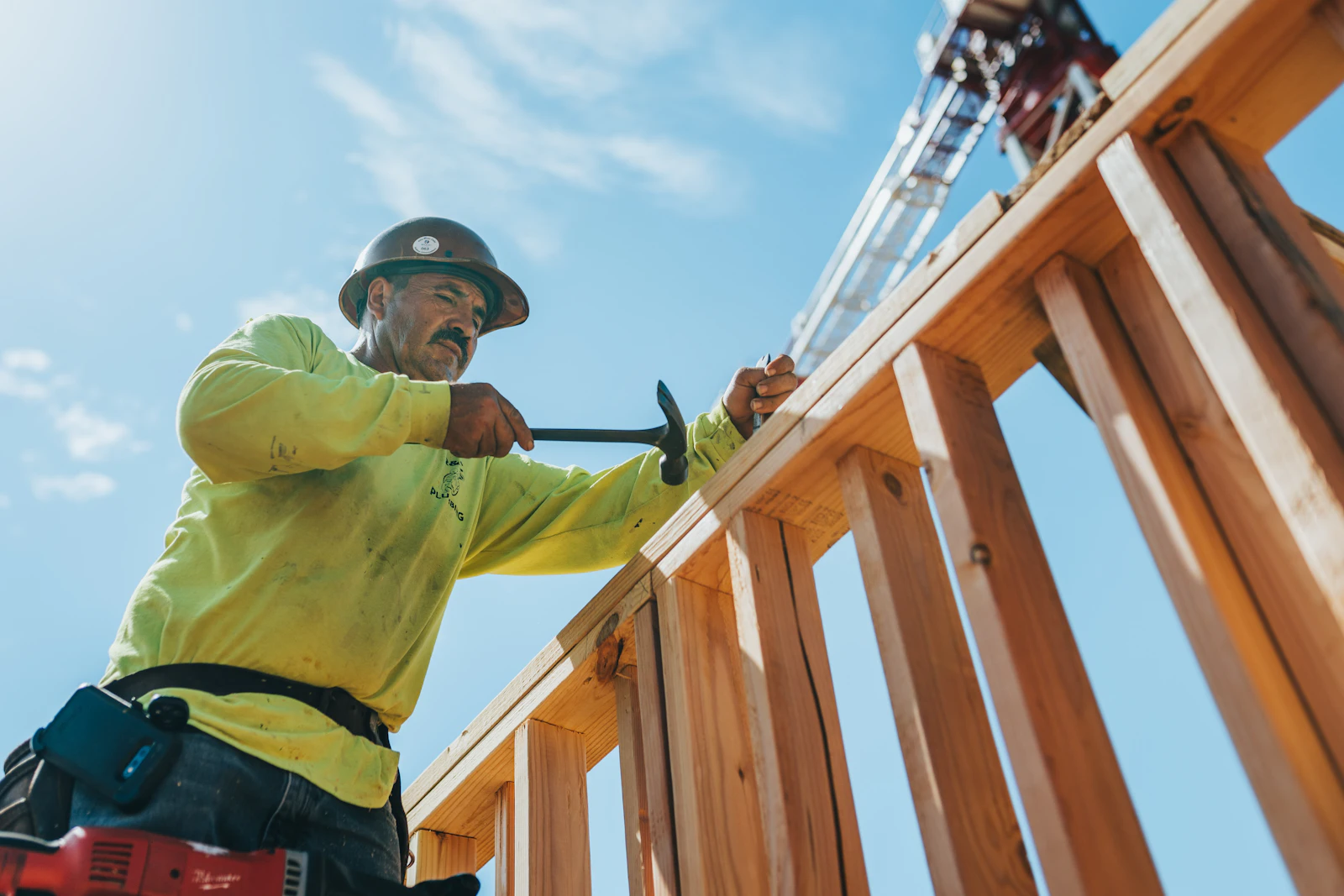
CLT and glulam solve the same problem — wood's natural size and defect limits — in different geometries. What the standards actually require, what a full-scale shake-table test revealed about connections, and why Türkiye has the timber but almost none of the industry.
Mass timber vs. steel embodied carbon: 198 vs 243 kgCO2e/m² in one case study · Türkiye's proposed CLT capacity: 10,000 m³/yr vs 120,000 m³/yr at one European plant
Kaan Vaizoglu
Standards · File 05 · 10 min
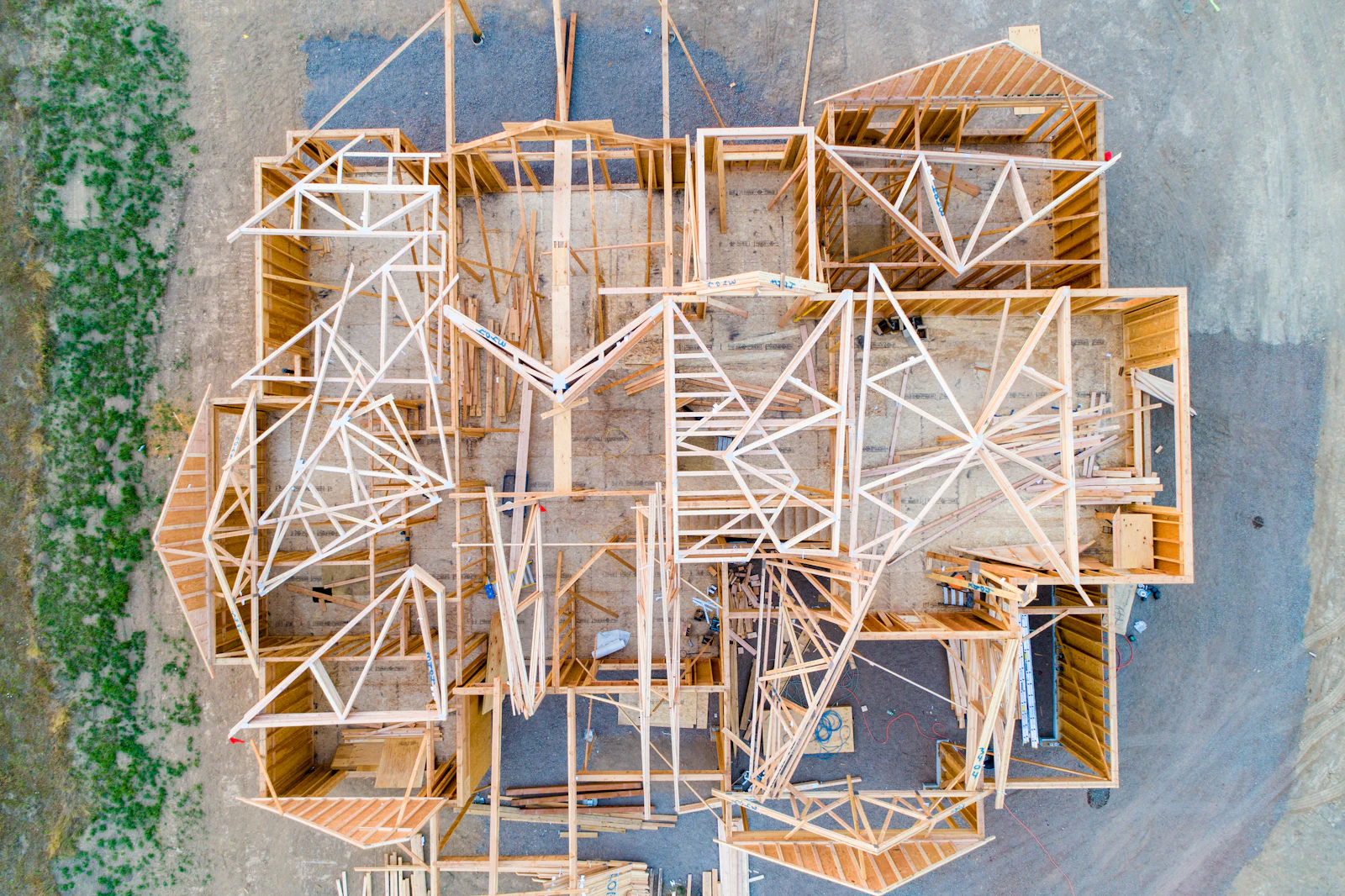
A SIP's structural claim is not marketing — the facings and core act as a single composite beam. What that buys in R-value, seismic performance and airtightness is real, and so are the seam-sealing and cost tradeoffs the publisher's own SIP-based systems share.
SIP wall framing share: ~8.7% vs 25% in stick-built · Shear-wall cyclic tests: peak loads up to 89 kN, ductility ratio up to 1.7
Kaan Vaizoglu
Standards · File 04 · 10 min
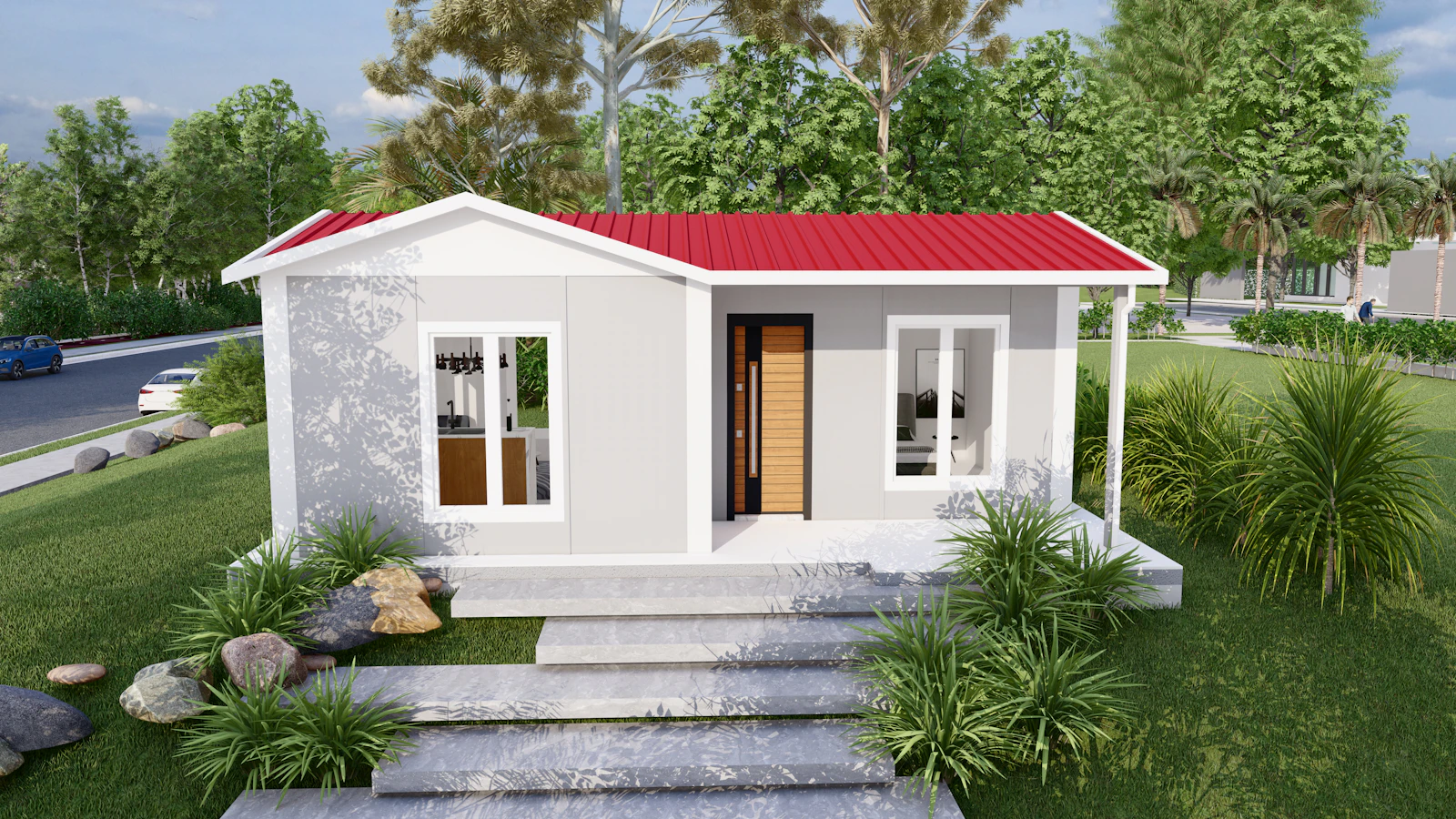
Factory completion percentage, not the word "modular", is what actually separates these systems — and Türkiye's post-earthquake container cities show what off-site construction can do at national scale, and where it still struggles.
Volumetric modular: up to ~24% reported cost reduction · Türkiye post-earthquake: 214,000 container units, 650,000 people housed
Kaan Vaizoglu
Standards · File 03 · 10 min
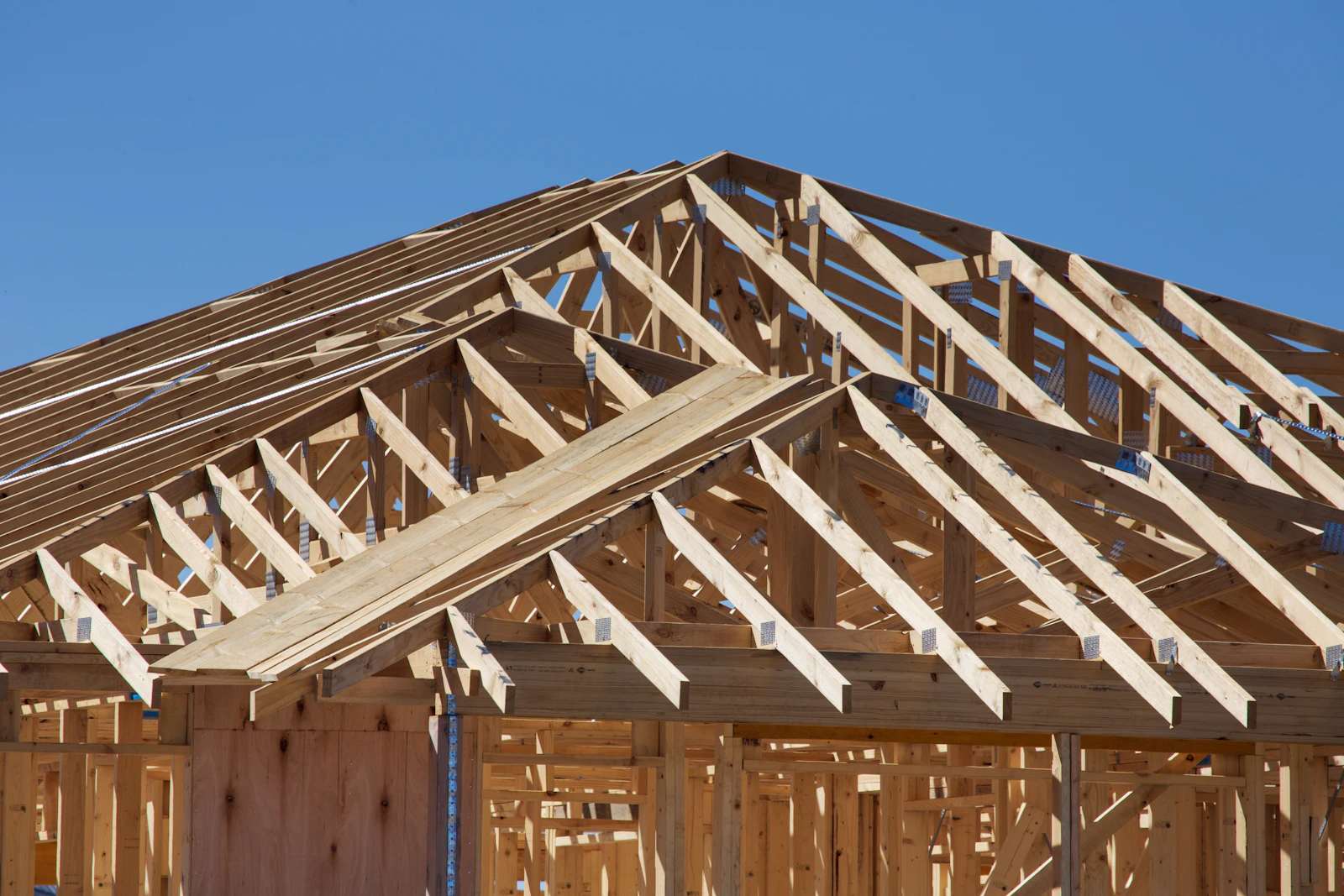
PHI's heating, load, airtightness and primary-energy thresholds, the retrofit path EnerPHit, and Türkiye's first certified Passive House measured against the limit.
PHI Classic: heating demand ≤15 kWh/m²a · airtightness n50 ≤0.6 h⁻¹ · Okka Evi (Sakarya) measured: 9 kWh/m²a
Kaan Vaizoglu
Standards · File 02 · 11 min
Thresholds, credit weightings and the Turkish schemes alongside them — with the contested evidence on whether a certificate means lower measured energy use.
LEED v5: 40/50/60/80 of 110 · BREEAM V7: 30/45/55/70/85% · Türkiye: 71.6% of LEED projects are Gold
Kaan Vaizoglu
Standards · File 01 · 14 min
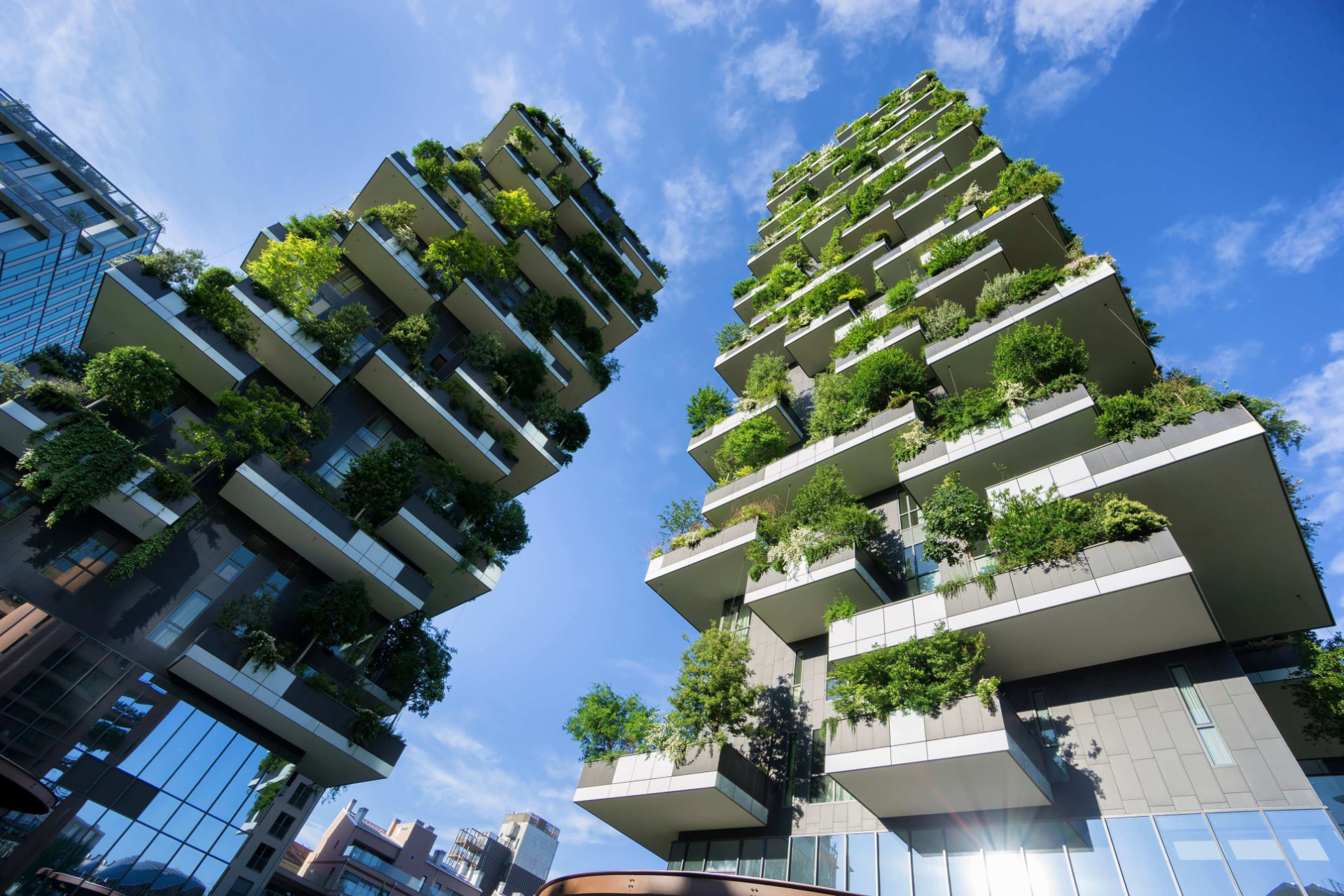
Five principles — embodied carbon, operational energy, waste, circularity and the life-cycle view — set out with sourced numbers, seven technical drawings and four data tables.
37% of global CO₂ (2024) · ≈50% of material extraction · 11–13% of global GDP
Kaan Vaizoglu
Standards · File 26 · 6 min
A plain reading of the incoming limits, and where bio-based assemblies already comply.
BFN Editorial Desk